what does the green dot mean on life360
Ever wondered what that pesky green dot on Life360 really means? We’ve all been there, scrolling through our app and seeing that little circle, thinking, “What’s the deal?” Let’s face it, in a world filled with emojis and endless notifications, sometimes simplicity is key. This green dot isn’t just some random graph icon: it’s packed with information. Buckle up, because we’re diving deep into the colorful world of Life360, unraveling the mystery behind that green beacon of status, all while keeping it light and informative.
What Does The Green Dot Mean On Life360
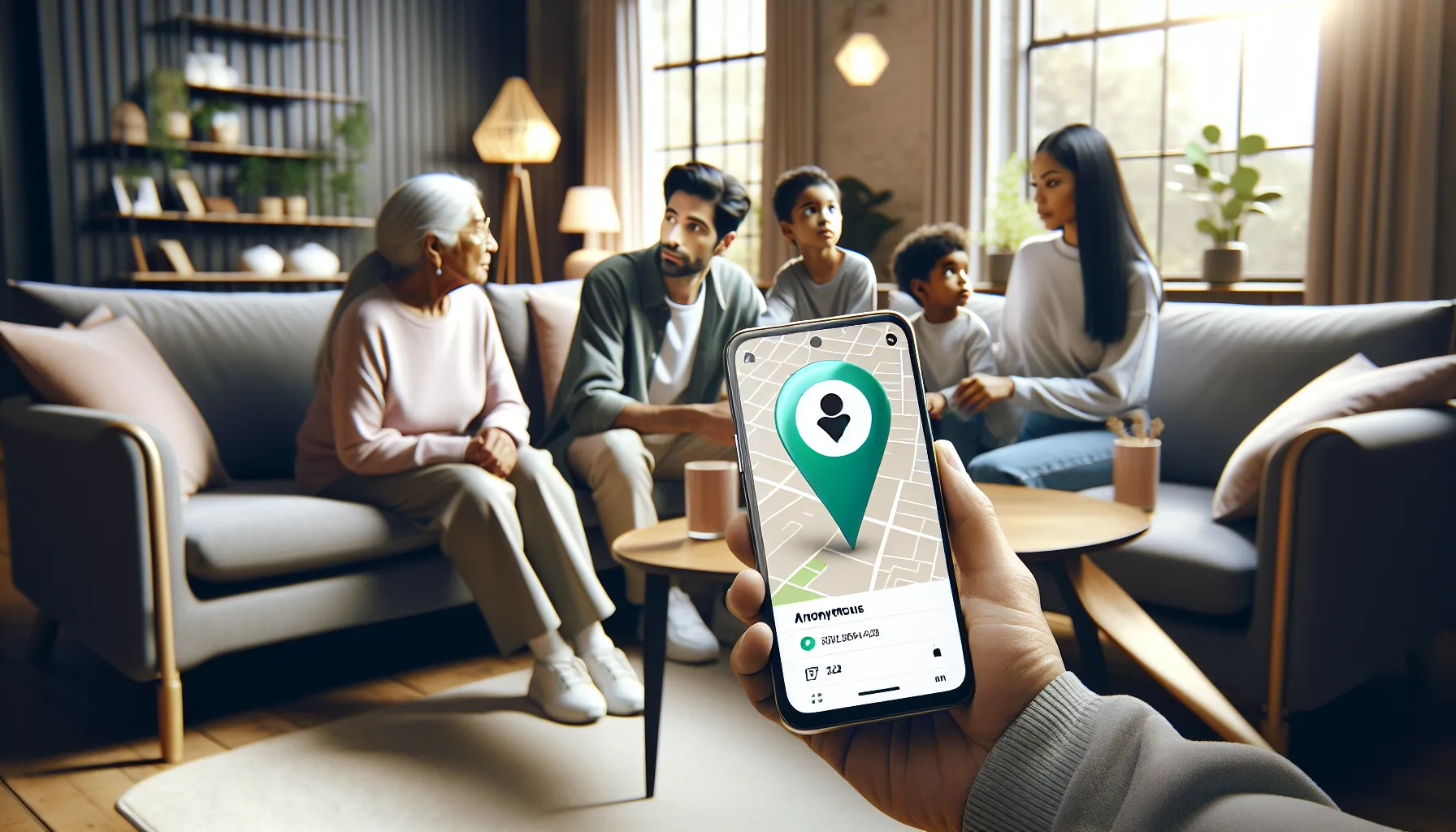
Life360 is more than just an app, it’s like a digital family hub designed to keep us connected. It comes loaded with features that help us track the whereabouts of our loved ones. From real-time location sharing to crash detection, Life360 offers peace of mind for families and friends alike.
We can effortlessly see where our family members are at any given moment. The app allows us to create ‘Circles’, groups for sharing location information. And let’s not forget the driving reports. We can even see driving behavior, which is a big plus for those of us with teens who are just starting out behind the wheel.
With features like location history and a panic button, we can feel more secure about our loved ones. Life360 isn’t just tracking: it’s creating connections and ensuring safety, making it a must-have in our modern lives.
Understanding The Green Dot Indicator
Now, onto the star of the show: the green dot. When we see that little green circle next to a loved one’s name, it’s a signal that they are currently online and active within the app. But let’s dig deeper into what that means for us.
Color-Coded Status Symbols
Life360 uses a color-coded system to indicate the location status of individuals in our Circle.
- Green Dot: The person is currently using the app or is actively sharing their location.
- Gray Dot: This means the person is inactive or has turned off their location services. It’s like saying, “Hey, I’m not home right now.”
- Red Dot: If we spot a red dot, it’s time for a mini heart attack: it means that person has triggered an emergency alert, and we should check in on them right away.
Understanding these symbols helps us stay connected and informed about our loved ones’ activities.
Implications Of A Green Dot
Having a green dot next to a family member’s name certainly has its implications. For starters, it can be reassuring when we know our loved ones are active and reachable. But it can also raise questions about privacy and unwanted attention. Most of us appreciate the peace of mind that comes with knowing our family is safe, but how often do we check in on these dots?
Common Misunderstandings About The Green Dot
Let’s clear up some confusion: seeing a green dot doesn’t necessarily mean someone is in a safe place. They might just be sitting in a coffee shop working away on their laptop. Similarly, it doesn’t automatically confirm where they are physically located. They could be connected to Wi-Fi but may be out of sight. So, while it’s great to have this information, we should remember to pair it with judgment when it comes to assessing safety. We don’t want to press the panic button just because someone didn’t text us back right away.
Privacy Considerations With Life360

With great power comes great responsibility, right? While Life360 provides a fantastic way for us to keep up with our family members, it raises a few privacy eyebrows.
As we connect with our circles, we must consider who really needs access to our whereabouts. The app is designed for families and trusted friends, but it’s essential to keep our circles tight.
We should be aware of the settings that denote who can see our location and when. Life360 allows us to manage our privacy settings, but we need to be proactive about it. So, let’s take a moment to discuss boundaries.
It’s vital to have open conversations with family members about the information shared on Life360. Sure, seeing that green dot may bring peace of mind, but it’s also essential to respect each other’s privacy wishes. After all, no one wants to feel like they’re being constantly monitored.