Indomal Pelnis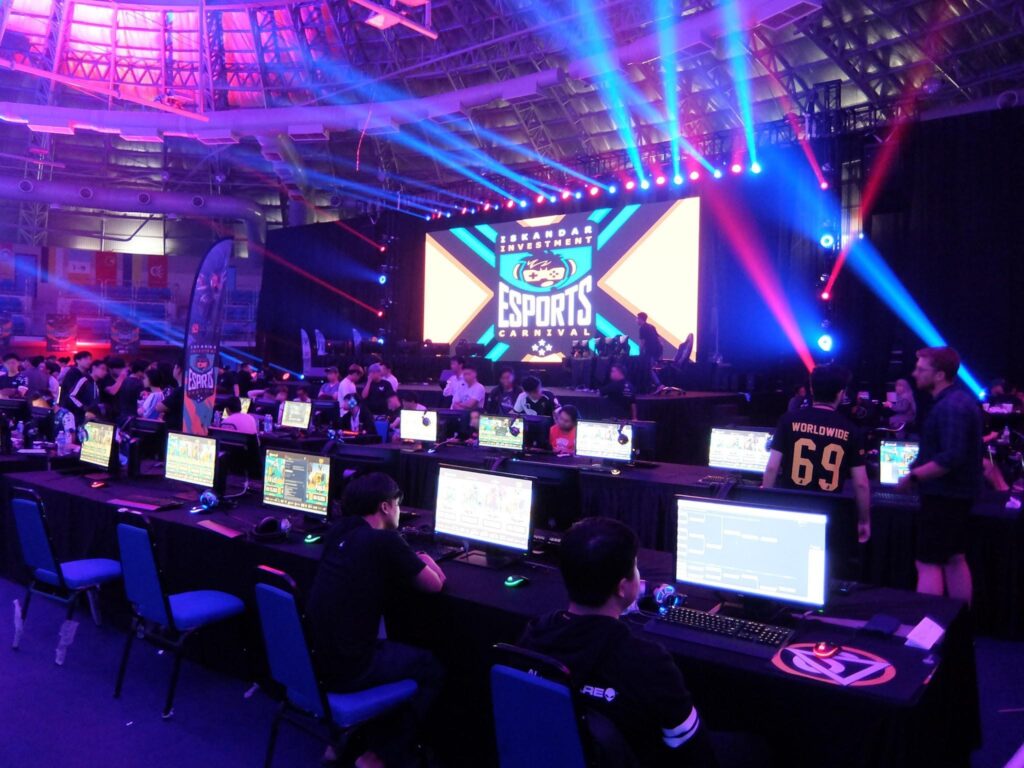
The concept of a ‘sport’ has long involved roaring stadiums and athletes pushing the limits of their bodies. Whether it’s the sold-out Barclays Center in Brooklyn or the 20,000-capacity Olympic Stadium in Beijing, you’ll hear the same rapturous applause and see the same high attention when you step into any major esports arena today. The only difference? The battleground is virtual, and the weapons are keyboards, mice, and split-second reflexes. Competitive gaming is now one of the fastest-growing, most electrifying, and most accessible on the planet.
The Rise of Professional Esports Leagues
It began with guys playing in basements and talking trash in their dorms and has grown to be a billion-dollar industry. Games such as League of Legends, Valorant, Counter-Strike 2 and Dota 2 have now adopted the same model as the NFL or the NBA: franchised teams, paid players, sharp coaches, data analysts, sports psychologists, and an intense training regimen that is more like an Olympic training camp.
From Amateur Scrims to Global Championships
The journey is brutal, yet beautiful. A young player could climb the ladder for thousands of hours, grinding past trolls, before even catching a scout’s eye. Then come the academy teams, the regional leagues, and finally the big stage: the World Championship, The International, or the League of Legends World Finals. Prize pools now regularly exceed $40 million. That’s life-changing and career-defining money.
Rankings, Rivalries, and the Thrill of the Leaderboard
Here’s where esports flips traditional sports on its head. In football or basketball, rankings update weekly, often through subjective polls. In competitive gaming, the ladder never sleeps. Games like Street Fighter 6, Valorant, and StarCraft II use Elo-based or MMR (matchmaking rating) systems that mathematically quantify every win and loss. You wake up at #47 in your region. Win three matches against higher-rated opponents, and you’re suddenly #22. Lose one to a “worse” player? You can drop thirty spots overnight.
This constant, transparent churn creates genuine drama. Rivalries aren’t manufactured by marketing teams—they’re forged in repeated high-stakes matchups on the leaderboard. Fans obsess over seeding, head-to-head records, and “gatekeeper” players who decide who makes it to major tournaments. The ranking itself becomes a character in the story. And because the system updates in real time, every match matters, even on a random Tuesday night.
How Online Tournaments Democratize Competition
Think you have to be a millionaire’s kid with a private coach to compete? Think again. The beauty of online tournaments is their radical openness. Platforms like ESL Play run open qualifiers where a 15-year-old from rural Indiana can theoretically face a Korean world champion in the very first round. Yes, they’ll probably lose. But that same player can study the replay, learn the macro rotations, and try again next week.
This “low floor, high ceiling” access is unprecedented in traditional sports. You don’t need a pitch, a court, or even a teammate—just a stable internet connection, a great platform like slotrave, and a will to improve. And when that underdog eventually upsets a top-ten player? The clip goes viral. The chat explodes. A new legend is born.
The Culture of Online Competition
Here’s the part skeptics miss: esports isn’t cold or isolating. Walk into any fighting game “local” or watch a League co-stream, and you’ll find hugs after heartbreakers, handshake lines after Grand Finals, and a fierce code of respect. The core culture celebrates sportsmanship: the “gg” (good game) after a loss, the strategy discussions in Discord servers, the coaching younger players for free just to grow the scene.
Unlike classic sports, where athletes disappear between game days, esports pros live with their audiences on Twitch and YouTube. Fans watch them warm up, rage queue at 2 a.m., and cry after a tournament loss. That constant connection builds a loyalty no TV time-out can replicate. When your favorite player wins a major, you were there… in chat, in the subreddit, in the watch party. You saw the grind. You celebrated the clutch play. That shared experience is the soul of modern fandom.


 Almados Kelran







 Scott Boris