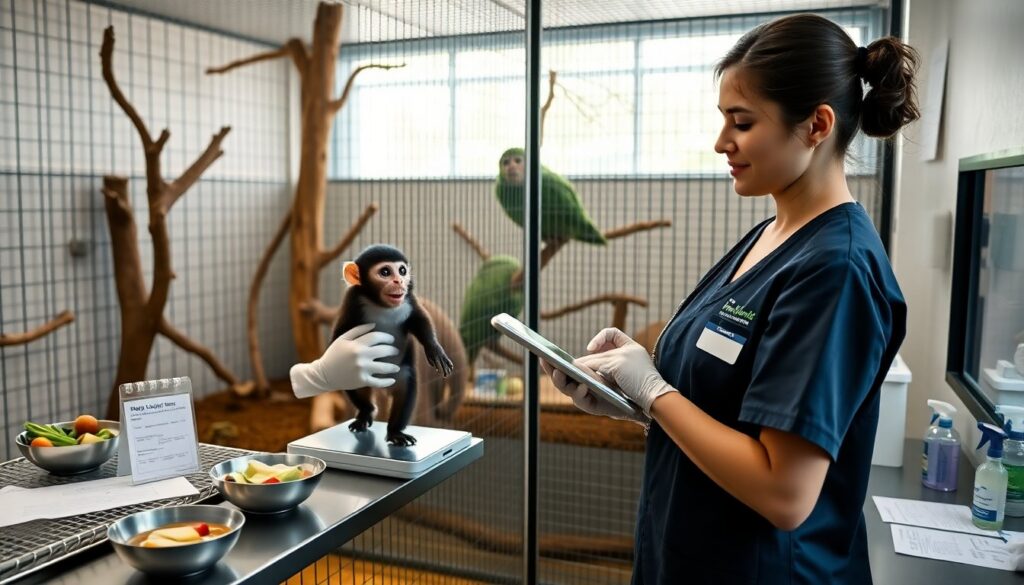
thehealthyprimate provides clear guidance on primate care. It defines core needs for diet, activity, social contact, and medical checks. It explains simple steps that caretakers can use daily. It sets expectations for health outcomes and risk signs. It helps caretakers build consistent routines that support long-term welfare.
Key Takeaways
- Thehealthyprimate emphasizes matching diet, activity, and social needs to each primate species for optimal health.
- Consistent monitoring of body condition, behavior, and environment helps caretakers detect health changes early.
- Provide a balanced primate diet with fresh produce, controlled proteins, and avoid toxic or high-sugar foods.
- Daily exercise and environmental enrichment enhance physical and mental well-being in primates.
- Maintaining preventive care routines and promptly consulting veterinarians ensures long-term primate welfare.
- Using logs for feeding, enrichment, and health signs improves care consistency and supports veterinary diagnosis.
Understanding Primate Health Basics
Primate health depends on three core factors: food, activity, and social environment. Caretakers should assess body condition, skin and coat, posture, and behavior daily. They should record weight weekly and note changes in appetite or stool. Primate species vary in size and metabolism. Caretakers must match energy intake to species needs. They must provide clean water at all times. They must maintain safe temperature and humidity for the species they keep. Social species need regular contact or compatible companions. Solitary species need predictable human interaction and hiding spaces. Enclosure design must allow climbing, perching, and resting. Caretakers should remove hazards such as sharp edges and toxic plants. They should inspect structural elements weekly. Light exposure matters: primates need daytime light and a consistent night cycle. Sleep disruption alters appetite and immune function. Thehealthyprimate recommends a daily log that lists feeding times, enrichment delivered, social interactions, and any abnormal signs. The log helps veterinarians identify trends. Early detection of change improves outcomes. Training sessions can help with voluntary health checks. Positive reinforcement reduces stress during weighing and examinations. Caretakers should learn species-specific baseline behaviors. They should use video when needed to document subtle changes. When a primate shows lethargy, weight loss, or persistent diarrhea, caretakers should seek veterinary advice promptly. Timely care limits disease spread within a group.
Nutrition: Building A Balanced Primate Diet
Thehealthyprimate emphasizes food variety and nutrient balance. Caretakers should provide fruits, vegetables, leafy greens, and controlled protein sources. They should select commercial primate diets that match the species or use a nutrition plan from a primate vet. They must avoid diets high in simple sugars and seeds that cause selective feeding. Caretakers should offer fresh produce daily and rotate items to prevent boredom. Portion control prevents obesity in species prone to weight gain. Caretakers should monitor body condition and adjust portions accordingly. Water must remain fresh and accessible. For breeding or growing animals, caretakers should increase protein and calcium within veterinary guidance. Calcium-to-phosphorus ratios must match species needs. Caretakers should supplement vitamins only when advised by a vet. Over-supplementation can harm the liver or kidneys. Thehealthyprimate warns against sudden diet changes: caretakers should transition food over one to two weeks. They should observe stool consistency and energy level during changes. Hygiene matters: caretakers must remove uneaten perishable food within a few hours in warm climates. They should clean feeding areas daily to reduce bacterial growth. The diet plan must fit the animal’s life stage, activity level, and medical history.
Common Foods To Include And Avoid
Include fresh apples, pears, bananas in moderation, carrots, sweet potatoes, leafy greens, and controlled portions of cooked lean meats or eggs for omnivorous species. Include legumes and whole grains for species that accept them. Offer browse like branches and leaves for species that feed on foliage. Avoid avocado for some New World primates due to toxicity risk. Avoid high-fat human snacks, chocolate, caffeine, and alcohol. Avoid large amounts of seeds and nuts for species that can gag or select only fatty items. Avoid rhubarb, raw kidney beans, and any moldy food. Avoid sudden introduction of rich foods. When testing a new food, present a small amount and watch for digestive upset for 48 hours. If a primate eats only part of a mixed meal, adjust offerings to prevent selective feeding. If the primate rejects a needed item like greens, use small tastier pieces or mix with favored foods rather than forcing the item.
Exercise And Environmental Enrichment Strategies
Exercise improves muscle tone, bone health, and mental state. Caretakers should provide daily chances to climb, jump, and travel. They should design enclosures with vertical space and sturdy branches or platforms. They should rotate climbing structures to keep the environment fresh. Caretakers should schedule play sessions that match the animal’s activity patterns. They should use foraging puzzles, hidden food, and scent trails to motivate movement. Problem-solving tasks help keep cognition sharp. Social play offers both exercise and social bonding for compatible animals. For solitary species, caretakers should provide puzzle feeders and varied manipulanda. Training for simple tasks like touching a target can provide mental stimulation and light activity. Keep sessions short and rewarding. Monitor for overexercise in older or injured animals and adapt activities accordingly. Thehealthyprimate recommends daily enrichment logs. Logs track what worked and what caused stress. Rotate items every few days. Use safe materials only: untreated wood, food-safe plastics, and non-toxic fibers. Remove items that show wear or fraying. For outdoor access, ensure shade, shelter, and predator-proofing. For climate control, provide heated areas in cold weather and cooling options in heat. Exercise plans should align with veterinary advice for animals with health conditions.
Preventive Care, Monitoring, And When To Seek Help
Preventive care reduces illness and supports longevity. Caretakers should schedule annual veterinary exams and follow species-specific vaccination and parasite control plans. They should maintain clear medical records and note all treatments. Regular dental checks prevent pain and secondary problems. They should monitor weight, coat quality, and stool daily. Any decline in appetite, energy, or grooming warrants attention. If a primate shows sudden weakness, uncontrolled bleeding, breathing difficulty, or severe swelling, caretakers must contact a veterinarian or emergency service immediately. For slower problems like chronic diarrhea or weight loss, caretakers should document trends for at least a week before the appointment to help diagnosis. Quarantine new animals for a recommended period and test for common pathogens before group introduction. Thehealthyprimate advises clear protocols for illness isolation and cleaning. Disinfect high-touch surfaces and feeding tools with species-safe cleaners. Caretakers should maintain personal hygiene and use gloves when needed. Ongoing staff training in restraint, handling, and first aid improves outcomes. When caretakers feel unsure, they should call the vet: early consultation prevents escalation.