Scott Boris
The psychology of reward is a universal engine, driving engagement in everything from flight simulators to digital card tables. Both spaces, seemingly distinct, operate on a shared currency of anticipation, risk, and the dopamine-fueled thrill of a win. This isn’t about escapism – it’s about the architecture of experience. Modern platforms understand this deeply, crafting intricate systems where every action can lead to a gratifying outcome. For those seeking a direct application of these principles in a high-stakes environment, a platform like Rocketplay casino Canada offers a compelling case study, merging sleek interface design with a robust rewards structure. Let’s dissect how these virtual economies function, from the cockpit to the casino floor.
Key Facts: The Numbers Behind the Thrill
The scale of engagement in simulated and gambling environments reveals a massive, data-driven industry built on behavioral science. These aren’t just games; they are sophisticated economic models.
- The global online gambling market is projected to reach $127.3 billion by 2027, largely fueled by advanced bonus mechanics and live dealer innovations.
- A 2023 study by the Entertainment Software Association found that 72% of frequent simulation game players cite “progression systems and unlockables” as their primary motivator, over narrative or graphics.
- The largest online jackpot ever won was €18.9 million on a Mega Moolah slot in 2018, a prize that rivals lottery payouts.
- Flight simulator add-on marketplaces, selling detailed aircraft and scenery, generate over $80 million annually, proving players invest heavily in digital assets with no real-world utility.
- In 2022, over 60% of new online casino registrations were directly attributed to targeted welcome bonus offers, not generic advertising.
- The average “session time” for a player in a farming simulator like *Farming Simulator 22* is 2.1 hours, comparable to engagement times on popular slots platforms.
- By 2026, analysts predict that 40% of all digital rewards across gaming and iGaming will be integrated with blockchain or NFT technology for verifiable ownership.
The Grammar of Gratification: Structure is Everything
Think of a reward system as a language. It has syntax – the rules governing how actions lead to payouts. It has vocabulary – the specific rewards like coins, unlocks, or free spins. A well-designed system is fluent, intuitive, and compelling. A poorly designed one is confusing noise. In simulation games, you might earn a new tractor part after harvesting 100 virtual acres. The syntax is clear: effort equals upgrade. In an online casino, a loyalty program might offer a cashback bonus after wagering a certain amount. The principle is identical, only the currency changes. This structural parallel is why enthusiasts of complex sims often appreciate the clear, if volatile, economy of a casino game – both are built on transparent, if sometimes ruthless, cause and effect.
Risk, Reward, and the Illusion of Control
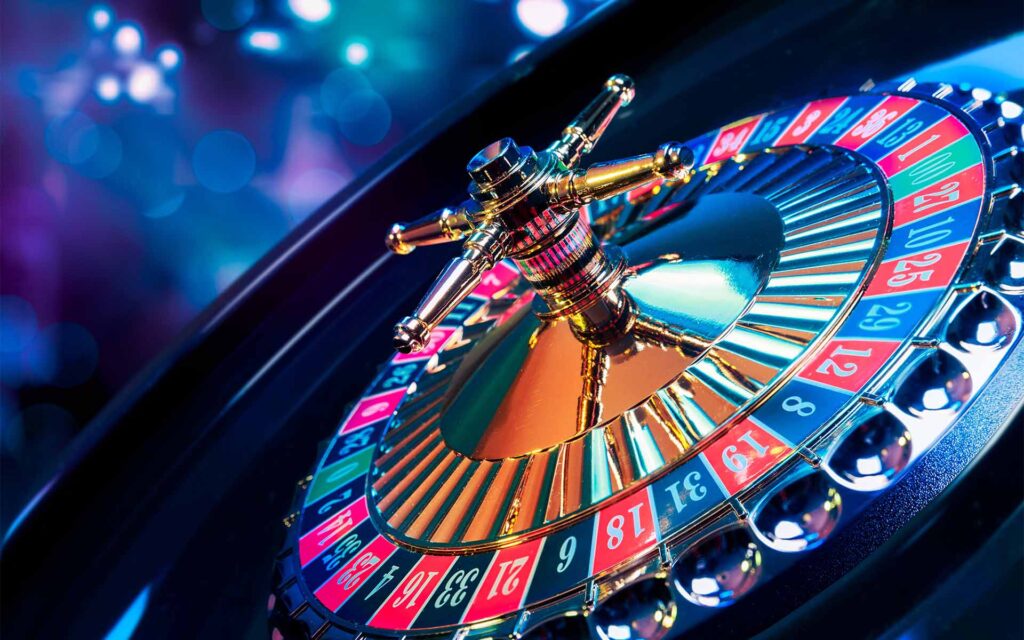
Here lies the core emotional hook. A pilot navigating a storm in a simulator exercises immense skill to earn a safe landing – the reward is mastery. A player betting on black exercises a choice, but the outcome is governed by a random number generator. Yet, the brain can conflate these experiences. The flashing lights, the celebratory sounds, the visual progress bars; these are all feedback loops designed to create a sense of agency. Casinos and game designers are masters of this theater. They provide just enough user input – choosing a slot theme, deciding on a bet size – to foster engagement, even when the core mechanic is chance. This delicate dance between control and chaos is what keeps users returning. Isn’t that the ultimate goal of any interactive system?
Beyond the Pixels: The Tangible Value of Digital Currency
The line between virtual and real value is blurring. In premium simulation communities, custom-built aircraft models can sell for $50 or more. These are digital goods with no physical form, yet their perceived value is high due to their utility and prestige within the niche. Similarly, a casino bonus, while often tied to wagering requirements, represents real monetary potential. The key is convertibility. A reward only holds power if it can be exchanged for a desired experience, whether that’s a more immersive simulation or a withdrawal of cash winnings. Platforms that understand this create seamless bridges – a loyalty point becomes a free spin, which becomes a withdrawable balance. This fluid economy mirrors our own world’s, just accelerated and gamified.
The architecture of digital rewards, whether in a peaceful farming sim or the vibrant lobby of Rocketplay casino Canada, speaks a fundamental human language. It’s a dialect of hope, effort, and the electrifying possibility of a payoff. These systems are not mere distractions; they are intricate psychological landscapes we choose to explore. The most successful ones respect our intelligence, offer clear rules, and provide that crucial hit of satisfaction – the harvested field, the perfect landing, the ringing of a winning slot. They prove that the chase itself, framed within a well-constructed set of possibilities, can be as compelling as the prize.

 Indomal Pelnis
 Almados Kelran